Sports and leisure facilities offer recreation, fitness and community – but they can also generate considerable noise emissions. Whether it is a sports ground, skate park, tennis facility or leisure park, residents and environmental authorities are placing ever higher demands on noise control. Find out here how modern noise control solutions help you avoid conflicts, meet official requirements and improve the quality of stay at your facility.
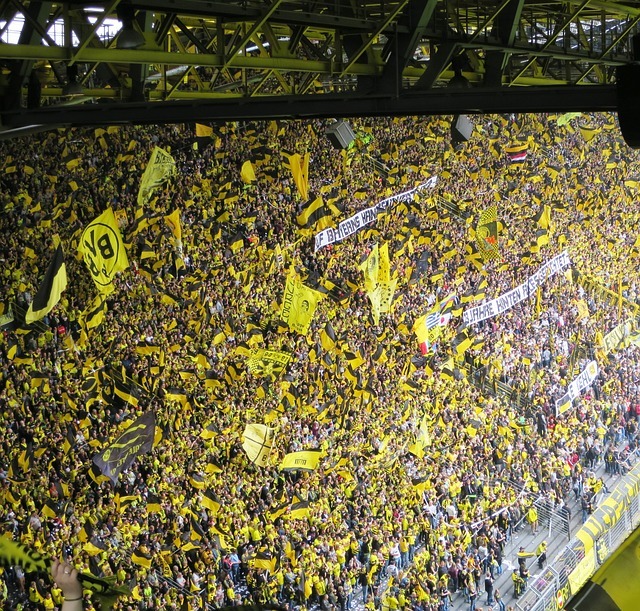
Why is noise control so important for sports and leisure facilities?
- Meeting legal requirements: In Germany, the TA Lärm (technical guideline on noise) and municipal by-laws set limit values for sound levels; other countries apply their own rules.
- Protecting residents: Persistent leisure noise can significantly impair quality of life.
- Enhancing user comfort: Athletes and visitors also benefit from pleasant acoustics.
- Securing permits: A well-thought-out noise control concept makes it easier to obtain building and operating permits.

Additional legal principles and special features of sports and leisure noise:
In Germany, sports and leisure noise is treated separately under the law. The following refers to regulations in Germany; other countries apply their own limit values. The key provisions include:
- The Sportanlagenlärmschutzverordnung (18. BImSchV – German Sports Facilities Noise Protection Ordinance), which sets specific immission guide values for sports facilities such as football pitches, athletics facilities and tennis courts.
- Leisure noise outside conventional sports facilities is usually assessed under the Technische Anleitung zum Schutz gegen Lärm (TA Lärm), the German technical guideline on noise.
- In practice this means: during the day and on Sundays and public holidays, sports facilities are often subject to higher guide values than commercial noise, as sport is considered to have a special social importance. Nevertheless, immission guide values must be observed to protect the neighbourhood.
- The so-called “rare event” status can also be taken into account – for example for individual tournaments, festivals or concerts on sports or leisure grounds. Different noise limits may apply if such events take place only occasionally. We offer noise barrier mats for hire specifically for concerts, events and functions. We also sponsor non-profit clubs and similar organisations with temporary noise control.

Solutions for effective noise control at sports and leisure facilities:
- Noise barriers and acoustic barrier walls considerably reduce sound propagation.
- Planted noise control systems: Green walls or stone-filled gabions combine effective noise protection with a natural look and enhance the appearance of the facility.
- Smart positioning: A clever arrangement of playing fields, spectator areas and car parks keeps noise sources away from sensitive areas.
- Technical solutions: Quiet sports equipment, damping floor surfaces and sound-absorbing grandstands reduce noise directly at the source.
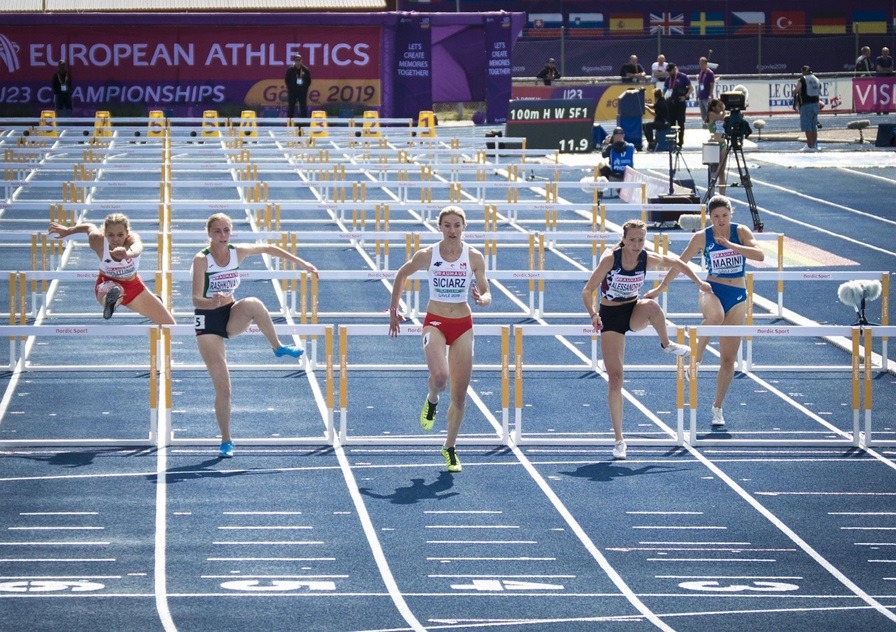
Key aspects when planning sports facilities:
- Site analysis and acoustic survey
- Early involvement of specialist planners
- Coordination with authorities and residents
- Sustainability and maintenance requirements of the solutions
Conclusion:
With well-planned noise control for sports and leisure facilities, operators not only give residents peace and quiet but also offer visitors a better experience. Modern solutions can be integrated in a visually appealing way and ensure smooth long-term operation without complaints or official conditions. Anyone who knows and takes into account legal requirements such as the Sportanlagenlärmschutzverordnung and TA Lärm is on the safe side – legally and acoustically.